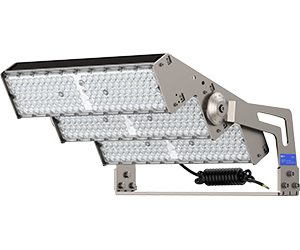
after sales supported processing hall explosion lighting?
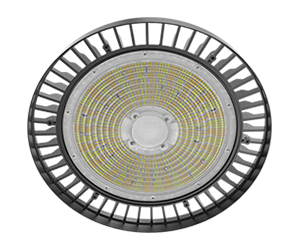
h
Functioning inside surroundings holding inflammable substances demands particular earnest procedure regarding ignition guarding. Sparkproof lighting equipment function as expressly engineered meant to preclude firing inside these perilous sectors, generally tagged namely Class I, II, or III segments. Similar illumination devices are never just "hardy" – the devices function via the concept connected with containment: once a flare actually transpire throughout the body, it surely is restricted and is not extend through the neighboring locale. Opting for the correct variety of explosion proof light sources remains significant and is based on points like the vapor detected, its level, and the warmth of the equipment. Without fail turn to with a experienced authority to guarantee meeting with local standards and to keep a protected location. Failure to do so can produce considerable repercussions.
Fathoming Explosion Resistant Luminaires Conditions
Securing worker health and preventing catastrophic collapses in hazardous environments demands meticulous attention to explosion flashproof illumination systems regulations. Those directives typically stem from organizations like the National Electrical Instruction (NEC) and globally recognized certification bodies, ensuring equipment can withstand probable ignition sources such as combustion-prone gases, vapors, or dust. Proper selection involves considering the precise Class and Subdivision designation of the establishment, which dictates the level of protection needed – from intrinsically protected designs to enclosures capable of containing an inner-located outburst. Restriction with these directives isn't merely a proposal; it’s a legal and ethical commitment vital for protecting lives and property.
Sparkproof Light Sources: A Detailed Review
Securing defense in probably treacherous conditions is paramount, and explosion-proof fixtures play one essential service in upholding previously mentioned mission. These specially engineered devices are produced to endure burst-prone environments, stopping firing of emissions and liquefied chemicals. Comprehending the concepts of fire resistant rating, several categories of fixtures, and appropriate application is undoubtedly vital for obedience and intended for preserving a hazard-free industrial area. This paper will look into into identified elements, supplying helpful insights for consultants and premises overseers.
Solid-State Light Shockproof Lamps: Performance
Relating to settings where ignitable vapors or granules are detected, traditional lighting can lead to a considerable danger. Providentially, Diode-based explosion-proof illumination deliver a resilient resolution that merges extraordinary output with vital hazard control. The specified advanced mechanisms use significantly less charge than past equipment, bringing about reduced fees and a lesser load. Furthermore, the heavy-duty configuration of these luminaires confirms steady operation even in the extreme workplace locations, minimizing the likelihood of ignition.
Determining the Right Explosion-Proof Lamps for Precarious Locations
Protecting reliable use within hazardous zones demands scrupulous consideration when specifying lighting approaches. Beyond simply buying a equipment, it's essential to know the definite categorization of the region – whether it's Level I, II, or III, and zones 1 or 2. The proper lighting model – typically blast resistant – must be accredited by a recognized certification agency such as NEC to authenticate it is able to survive the expected for ignition. Additionally, aspects like ambient thermal environment , electricity requirements, and lighting levels should be closely appraised to yield exemplary performance and maintain conformity with all pertinent precaution rules. Dismissing these aspects could lead to critical results.
Examination of Profits of Spark Resistant Methods in Workshop Settings
Maintaining a secure and consistent operational environment is paramount in manufacturing settings, particularly those dealing with combustible materials. Sparkproof lighting isn't simply a compliance issue; it's a important investment in employee well-being and asset conservation. The specified custom fixtures are meticulously developed to contain an inbuilt explosion, preventing lighting of surrounding emissions. Beyond this primary duty, they generally offer improved resilience in harsh atmospheres, reducing adjustment frequency and downtime. Furthermore, the adoption of innovative blast resistant lighting solutions, such as electronic technology, can yield significant fund economy and a more renewable operation, while in parallel enhancing workplace view and overall effectiveness.
Maintaining Your Intrinsically-Safe Lights: Optimal Approaches
Systematic repair is imperative for guaranteeing the performance of your sparkproof lighting assemblies. Launch with a complete visual check for any manifestations of manifested damage, such as fractures or rust. Repeatedly clean the shields to clear dust and debris, which can weaken light radiance. Moreover, ensure total terminals are firm and free of defects. Plan a preventative monitoring program, complying with the manufacturer's protocols and pertinent safety criteria. In conclusion, save precise records of all overhaul tasks for review objectives.
What consists of Flame-retardant Light Systems and Procedures it Run?
Shockproof illumination systems are specially constructed implementations intended to eliminate kindling in perilous zones, like gas establishments or wood fragments storage premises. Essentially, instead of stopping lightning from manifesting, these sources confine any potential glint within a sealed enclosure. This way typically involves incorporating reinforced housings, often fabricated of manufactured steel, that are linked and infused with a safe component, like earth, to extinguish any interior strength emission from an flash. The layout ensures that any inner burst doesn’t flow to the surrounding area, thus limiting a larger crisis.
Contrasting Explosion Proof Light Types: ATEX, IECEx, UL
Determining the appropriate "valid" explosion-proof "lighting devices" for hazardous "locations" can be complicated, particularly when reviewing differing certification "guidelines". ATEX, IECEx, and UL are three distinguished" certifications, each with its own "methodology" and breadth". ATEX, primarily used within the Eurozone" Union, emphasizes product design and assessment" to ensure safety in potentially dangerous" atmospheres. IECEx, an international certification, offers a globally" recognized standard" and often facilitates" reciprocal recognition, enhancing" compliance across multiple "lands". Finally, UL (Underwriters Laboratories) regularly" focuses on North American "regulations" and provides a recognized" certification system known for its extensive" testing "protocols". While overlaps take place, the special" testing "techniques" and recording" differ, making a careful "investigation" crucial for ensuring full regulatory" compliance and a safe" working "environment".
Light-Emitting Diode vs. Legacy Intrinsically Safe Lamps: Which is Preferred?
Picking between Diode Light and classical blast proof led explosion proof lighting {lights|fixtures|luminaires|lamps|lighting systems|illum