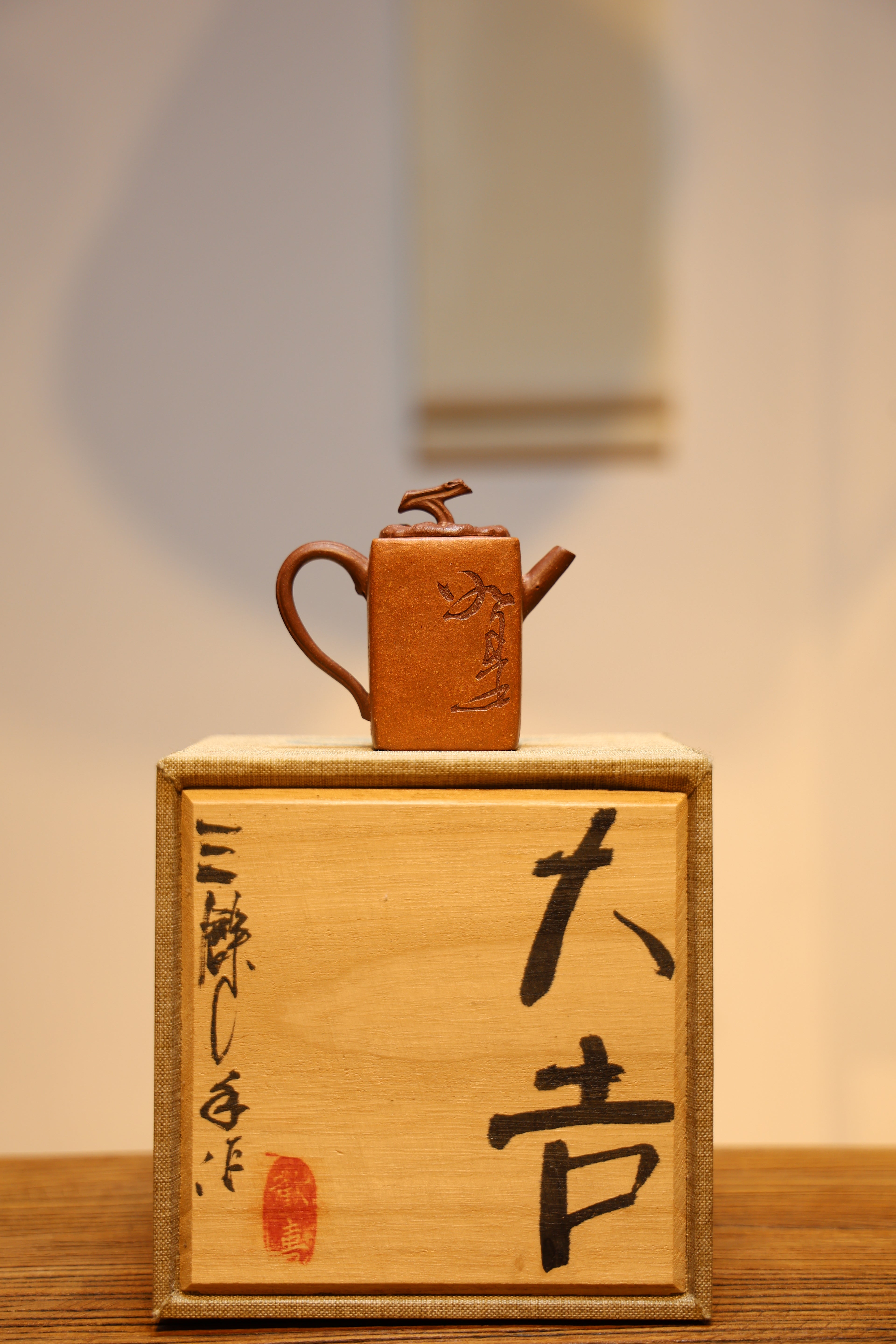
artisan narrative ceremonial Chinese tea pot?
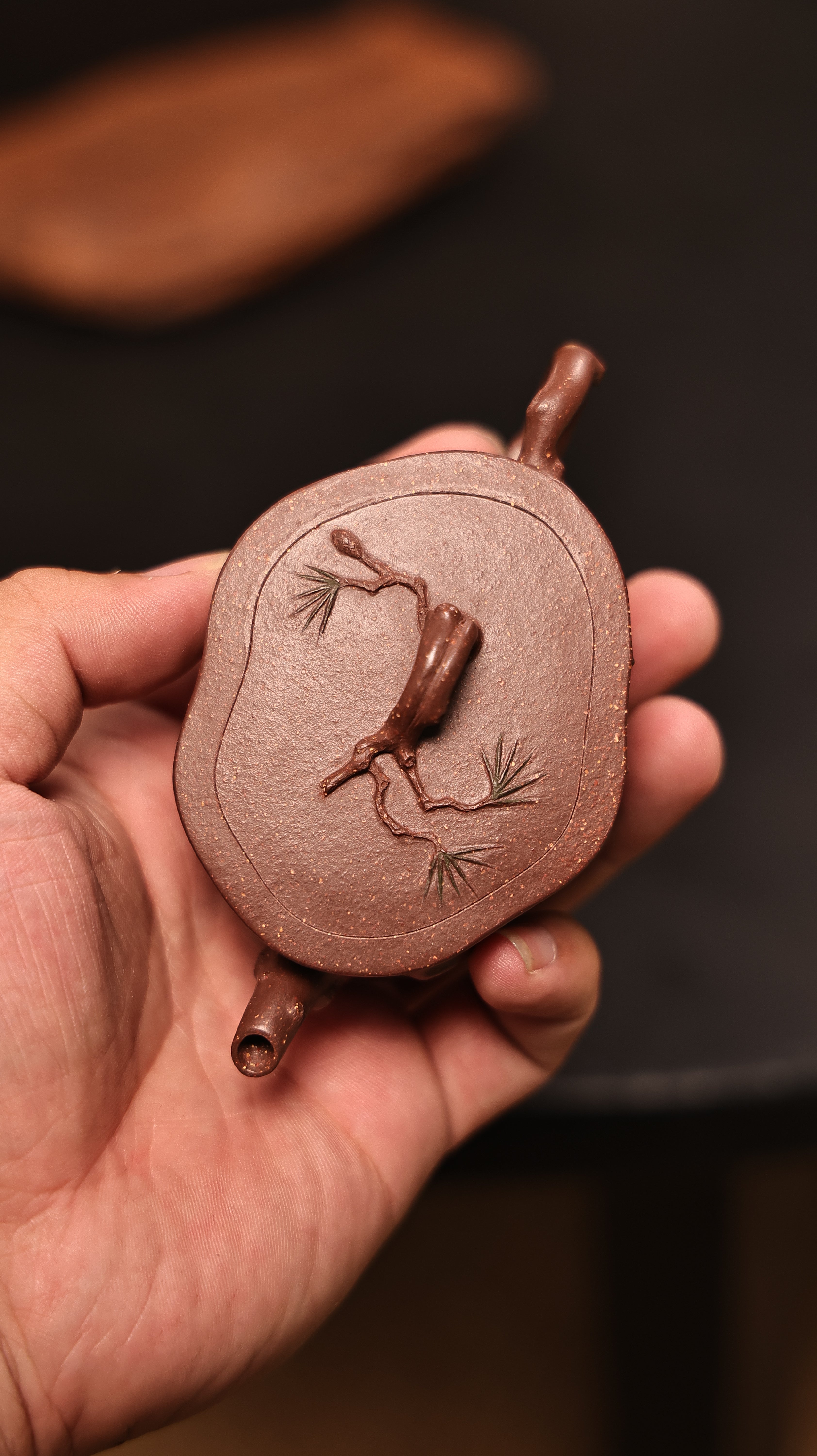
Commencing this in-depth survey concerning Ising Tzu-sa teapots offers a fascinating mixture among expertise combined with effectiveness.
Yi-hsing Tzu-sa ceramic kettles contain distinct unparalleled magnetism towards aficionados globally. Those exceptional earthen vessels, emanating from the special Ising zone near Jiangsu province, China, are more than just tea gadgets; they are regarded as works masterful beauty and heritage significance. Such finely refined clay, known as Zisha, imparts a soft flavor over the tea, and the ornate designs, often illustrating traditional Chinese patterns, raise their built-in value. Obtaining a genuine Yixing Zisha teapot represents a rewarding journey, asking for careful investigation and an appreciation of the various factors influencing the uniqueness.
Exploring Yixing Tea Vessels
Ising vessels boast a rich chronicle deeply interwoven with Chinese artistry. Originating in Yixing, Jiangsu province, these jugs are crafted from a unique, porous purple material found only in that notable location. Their origins began during the Ming era, with master sculptors refining the approaches over centuries. Diverse types are available, including the classic Hexiang (resembling crab shells), Zhuni (red-brown Zisha Teapot hue), and Duan Ni (stone-studded) – each with distinctive attributes. The importance of an Yixing teapot isn't solely based on its size or finishing, but also on the artist’s reputation, the element's quality, and the pottery’s age and condition. Connoisseurs often seek out older examples, believing they absorb the essence of the brew brewed within them over time, further adding to their prestige.- Vintage Pots
- Coppery Teapots
- Granite-Dusted Pots
Zisha Teapot Mastery: Handiwork & Methods
An creation of Zisha teapots represents a apex of Chinese ceramic technique. Experienced artisans employ longstanding techniques, often passed down through families, to unlock the full essence of this unique clay. Strategies involve meticulous forming by hand, often combined with the looping method, followed by precise firing at incredibly extreme temperatures in wood-fired kilns. Detailing is equally crucial; potters utilize organic clay colors and may incorporate modeling work to depict intricate scenes or patterns, demonstrating a profound knowledge of the material’s features and energy. The resulting teapot isn't merely a vessel for tea, but a testament to a profound cultural history.
Classical Ceramics: Unique Presentation to 宜兴 Tzu Sha
Probing the world of Chinese teapots sometimes commences with Yixing Zisha. These particular clay pottery vessels are made from a singular type of clay harvested only in the Yixing region of the Jiangsu zone province. Known for its remarkable reddish-purple hue and superior features, Zisha clay delivers a mild flavor to the tea and enhances with age, growing into a cherished artifact. Curating Yixing Zisha ceramics is more than just possessing a beautiful object; it’s a commemoration of custom and mastery.
Venturing into that Ceramics: Genuine Nature & Growth
Entering the environment of Yixing Zisha earthenware can be absolutely fruitful, but entails a meticulous judgment. Accuracy is imperative; abundant duplications occur, habitually artfully constructed. Becoming knowledgeable about old-fashioned roasting procedures, exclusive terracotta traits, and the hallmarks of renowned artisans is wholly imperative. What’s more, perceiving the fine points of the growth direction – influenced by factors such as archaic role and the quality of the object – is key to rewarding purchasing.
- Analyzing firing record.
- Turning to professionals for validation.
- Appraising business movements.
A Process of Creating with a Purple Teapot
That singular allure of a Zisha teaware lies not just in its attractive appearance, but also in its notable impact on the taste of the libation. These historic clay pots, sourced from special regions of China, possess a original porosity that gently interacts with the essence and leaves, imbuing the cup with a subtle character. Mastering the approach requires a steadfast approach, understanding how the soil responds to varying heating regimes and herbal types, ultimately leading to a unquestionably rewarding drinking experience.
Conserving Your Possession
Proper maintenance of your Yixing pot is vital to securing its lifespan. These extraordinary teapots, crafted from exceptional Yixing clay, accumulate a patina over periods that boosts their esteem. Periodically rinse the body with filtered water, avoiding detergents, and never use severe scrubbing tools. Occasional gentle dusting with a plush cloth can aid in wiping away stains. Allow your container to absolutely dry after each occasion
Explaining Purple: Aspects Given Vessels Symbolize Outstanding
The celebrated appeal of Yixing teapots arises from the singular properties of Yixing clay, extracted solely near Yixing, the Jiangsu area. This exceptional clay, categorized as ferruginous terra cotta , demonstrates a strange combination of substances that, after aging, receive the taste of the infusions it houses. This generates a remarkable taste experience for each vessel, providing it a price far outperforming its initial price and leading to their respected status among devotees.
Spotting the Appropriate Regional Teapot: A Yixing Clay Manual
Venturing into the world of Zisha clay teapots can feel complex, but understanding the principles is essential to identifying a esteemed piece. This variety of clay, sourced largely from the Yixing region, the Jiangsu area, is well-regarded for its uncommon permeability and ability to augment the essence of the beverage over age. Evaluate the design, the shade, and the appearance; a authentic Zisha teapot is more than just a container; it's a beautiful creation and a representation of traditional culture. Look for the character of the fabricator for clues to its roots and potential cost.