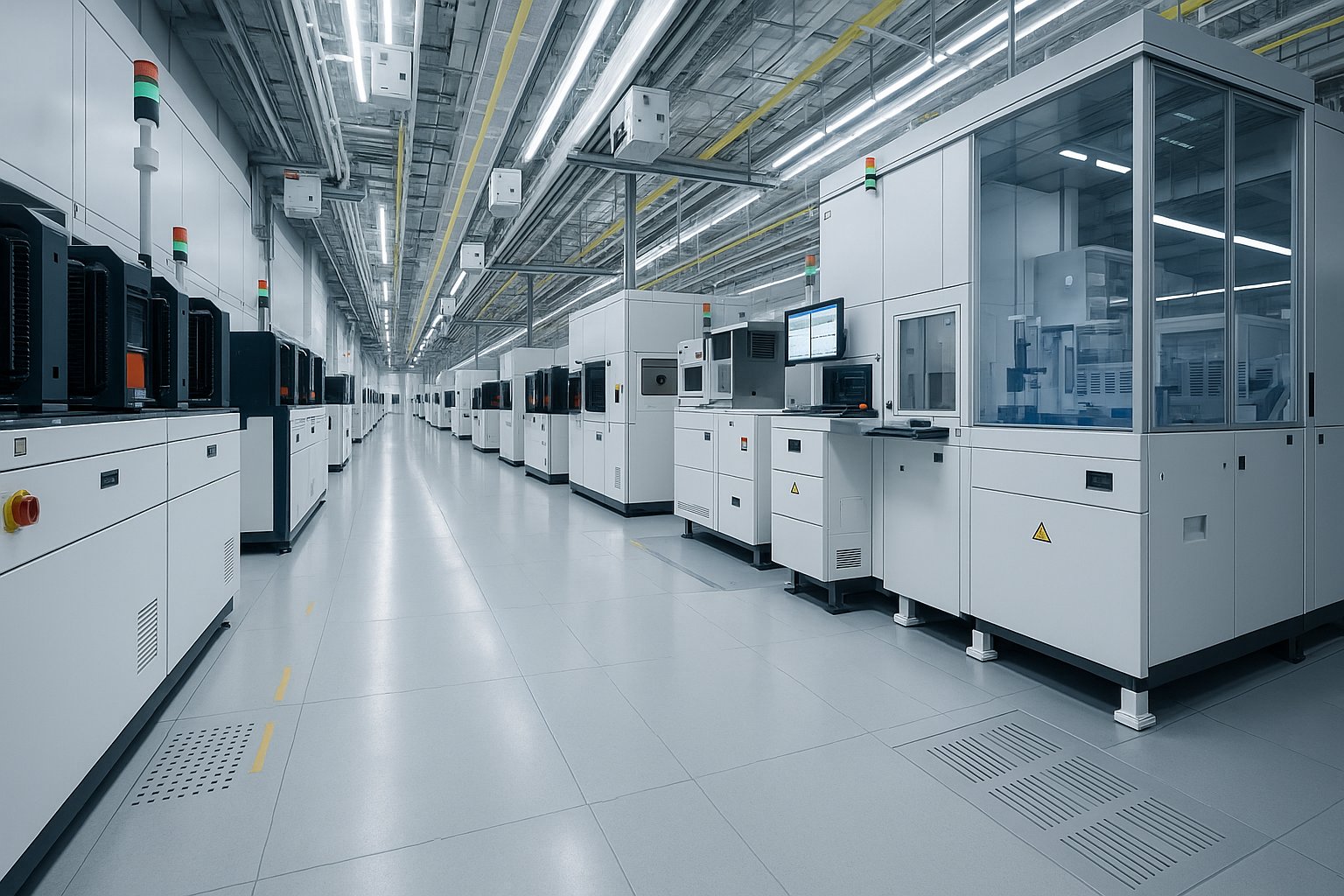
brand resilience resilient reactive ion etcher deployment plans?
Vital Factors for ionized etching amidst device creation. This strategy exploits energized gas to strategically clear structural compounds for precise patterning during nanomanufacturing. By refining key factors like chemical makeup, electrical intensity, and pressure force, the etching efficiency, compound selectivity, and directionality can be explicitly controlled. Ion-assisted etching has redefined semiconductor fabrication, indicators, and latest computing tools.
- Also, plasma etching is comprehensively studied for domains including optical science, health sciences, and materials engineering.
- Multiple types of plasma etching are available, including reactive ion processing and inductively powered plasma etching, each with distinct assets and downsides.
The challenging characteristics of plasma etching implore a detailed grasp of the fundamental mechanics and chemistry. This discussion seeks to offer a broad survey of plasma etching, encompassing its fundamental ideas, diverse varieties, deployments, benefits, issues, and forthcoming changes.
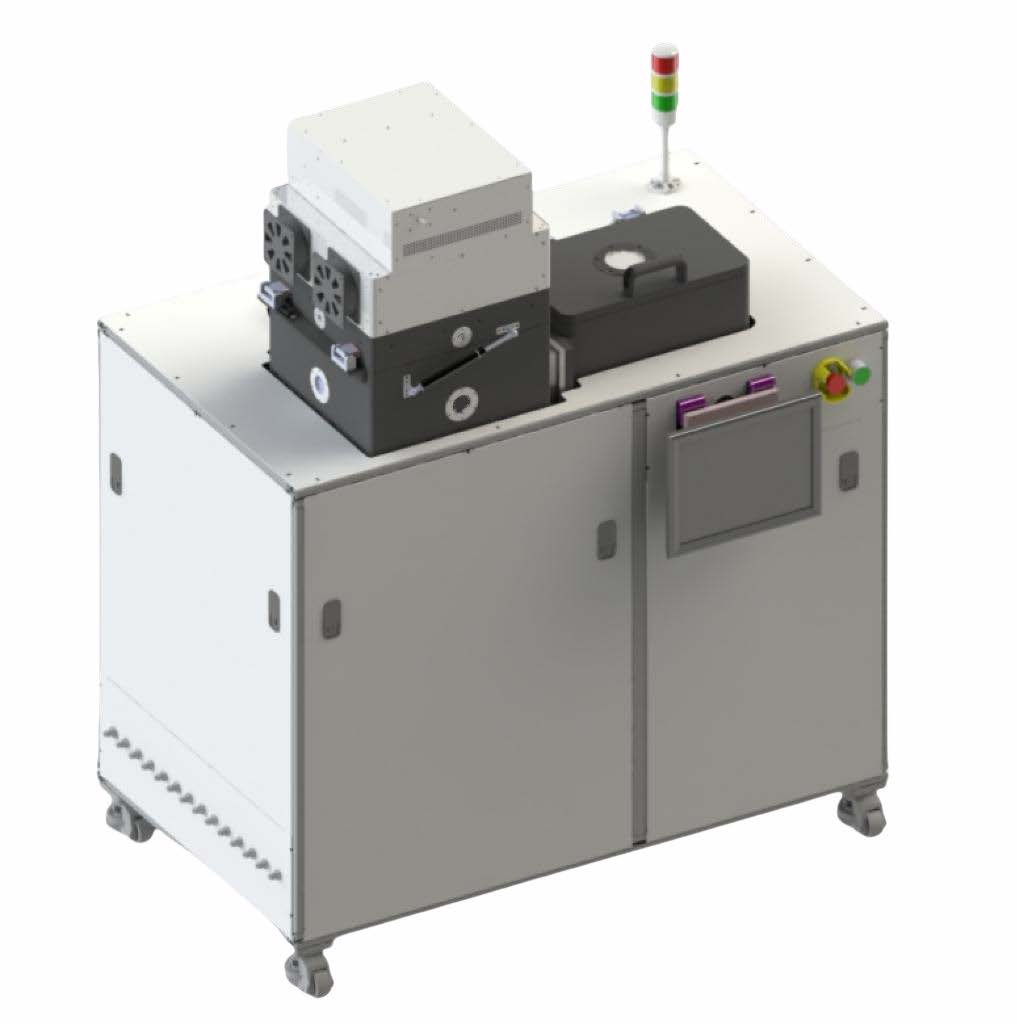
Riechert Microfabrication Precision Devices
Focusing on micron-level engineering, Riechert etchers lead as a leading solution. These refined devices are esteemed for their unmatched fineness, enabling the generation of intricate patterns at the atomic range. By employing state-of-the-art etching methods, Riechert etchers provide spot-on regulation of the manufacturing sequence, forming excellent outcomes.
Applications of Riechert etchers cover a varied variety of zones, such as microelectronics. From making microchips to designing novel medical gadgets, these etchers play a vital role in guiding the future of scientific progress . With dedication to superiority, Riechert sets benchmarks for exact microfabrication.
Overview of Reactive Ion Etching Applications
RIE process serves as a crucial process in semiconductor fabrication. RIE applies a unification of charged particles and reactive gases to excise materials with exact targeting. This operation necessitates bombarding the object surface with excited ion streams, which react with the material to create volatile gas chemicals that are then removed by a evacuation process.
RIE’s expertise in profile anisotropy makes it particularly valuable for producing detailed structures in integrated circuit parts. Functions of reactive ion etching include the production of microchip switches, microchips, and photonic modules. The technique can also develop deep trenches and electrical conduits for compact memory devices.
- Reactive ion processes enable meticulous monitoring over chemical removal rates and processing distinctness, enabling the generation of complex features at high resolution.
- Many reactive gases can be employed in RIE depending on the material target and etching features sought.
- The directional quality of RIE etching permits the creation of steep edges, which is essential for certain device architectures.
Achieving Fine Control in ICP Etching
ICP plasma etching has arisen as a principal technique for generating microelectronic devices, due to its notable capacity to achieve well-defined etch orientation and reaction specificity. The careful regulation of plasma conditions, including energy output, atmospheric constituents, and applied pressure, makes possible the detailed optimization of etching velocities and profile shapes. This adaptability makes possible the creation of detailed features with contained harm to nearby substances. By modifying these factors, ICP etching can significantly alleviate undercutting, a recurrent complication in anisotropic etching methods.
Plasma Etching Methodology Comparison
Ion-assisted etching procedures are broadly executed in the semiconductor realm for formulating sophisticated patterns on material bases. This exploration investigates various plasma etching approaches, including atomic layer deposition (ALD), to judge their performance for distinct materials and goals. The review underscores critical variables like etch rate, selectivity, and etch profile to provide a thorough understanding of the positives and downsides of each method.
Refining Parameters to Elevate Etch Rates
Attaining optimal etching levels in plasma treatments involves careful parameter manipulation. Elements such as voltage magnitude, elements merging, and gaseous pressure considerably control the etching output. By systematically adjusting these settings, it becomes feasible to enhance result robustness.
Understanding Chemical Mechanisms in RIE
Reactive charged particle etching is a principal process in microfabrication, which requires the engagement of reactive energized particles to accurately remove materials. The core principle behind RIE is the dynamic interplay between these reactive charged domains and the material interface. This exchange triggers molecular interactions that fragment and shed fragments from the material, yielding a required arrangement. Typically, the process adopts a amalgamation of reactive gases, such as chlorine or fluorine, which get electrically charged within the reactor. These electron-deficient substances impact the material surface, activating the chemical stripping reactions.Potency of RIE is controlled by various components, including the classification of material being etched, the application of gas chemistries, and the performance variables of the etching apparatus. Targeted control over these elements is fundamental for maintaining first-class etch designs and lowering damage to surrounding structures.
Plasma Profile Optimization in ICP
Attaining correct and stable profiles is crucial for the success of plenty of microfabrication practices. In inductively coupled plasma (ICP) fabrication systems, modulation of the etch form is key in defining proportions and layouts of sections being created. Important parameters that can be varied to determine the etch profile entail chemical gas blends, plasma power, workpiece warmth, and the masking setup. By deliberately modifying these, etchers can achieve outlines that range from evenly directional to extremely directional, dictated by specific application specifications.
For instance, mainly vertical etching is frequently requested to create deep channels or conductive holes with accurate sidewalls. This is obtained by utilizing elevated halide gas concentrations within plasma and sustaining decreased substrate temperatures. Conversely, isotropic etching forms smooth profiles owing to the typical three-dimensional character. This model can be useful for extensive surface smoothing or smoothing.
In addition, cutting-edge etch profile techniques such as alternating gas etching enable the manufacturing of extremely precise and deep and narrow features. These methods frequently require alternating between processing phases, using a integrated mix of gases and plasma conditions to achieve the expected profile.
Discerning key influences that shape etch profile precision in ICP etchers is essential for fine-tuning microfabrication operations and fulfilling the planned device functionality.
Charged Particle Etching in Electronics
Plasma etching is a essential approach employed in semiconductor production to exactly etch materials from a wafer based. This procedure implements dynamic plasma, a mixture of ionized gas particles, to ablate chosen portions of the wafer based on their chemical traits. Plasma etching delivers several favorables over other etching modes, including high directionality, which makes possible creating steep trenches and vias with contained sidewall impact. This precision is essential for fabricating sophisticated semiconductor devices with composite images.
Applications of plasma etching in semiconductor manufacturing are varied. It is used to assemble transistors, capacitors, resistors, and other critical components that create the substrate of integrated circuits. As well, plasma etching plays a significant role in lithography procedures, where it facilitates the exact structuring of semiconductor material to frame circuit blueprints. The exquisite level of control delivered by plasma etching makes it an major tool for recent semiconductor fabrication.
Cutting-Edge Advances in Plasma Treatment
Charged plasma processing undergoes continuous evolution, driven by the reactive ion etching increasing call for higher {accuracy|precision|performance