client focused industrial Thermal Oxidizer units for process gases?
Opening
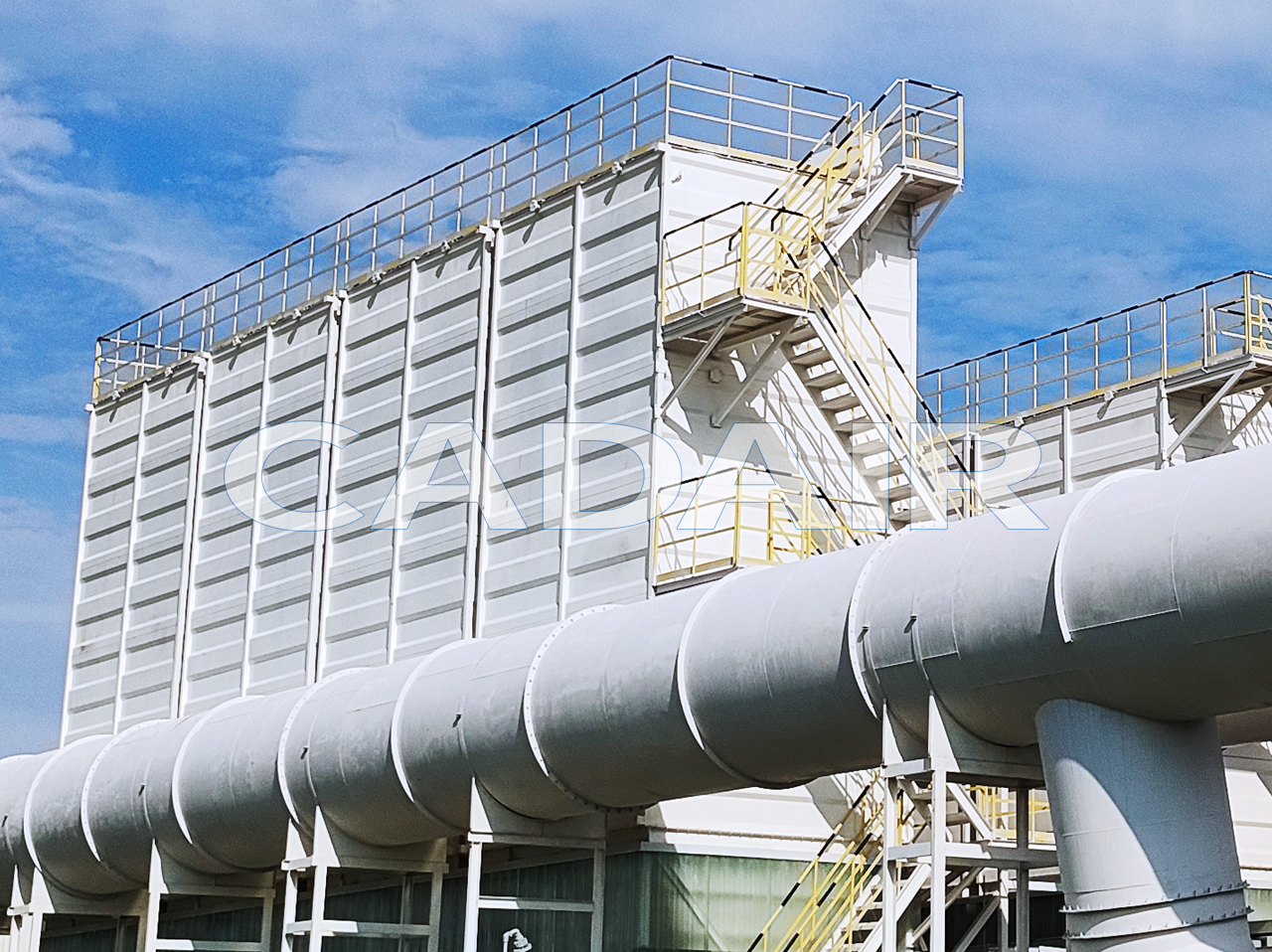
VOCs challenge ecological balance (Materials) damaging health conditions and ecological systems. Conventional cleaning techniques employ significant electrical input and produce toxic residues. Zeolite rotors offer sustainable alternatives, facilitating optimal VOC elimination through ventilation media. Such formations encompass large exposition and particular passages fostering powerful VOC entrapment.
- Moreover, zeolite turntable systems restore, curtailing ecosystem disruption and investments.
- For this reason, zeolite wheel tech sees growth in numerous sector implementations, including manufacturing effluent regulation, inside air cleaning, and sewage purification.
Acceptance of zeolite rotor systems demonstrates key transition enabling lasting VOC reduction, creating environmentally sound and profitable effects.
Thermal Regeneration Systems: Pro Air Cleaning
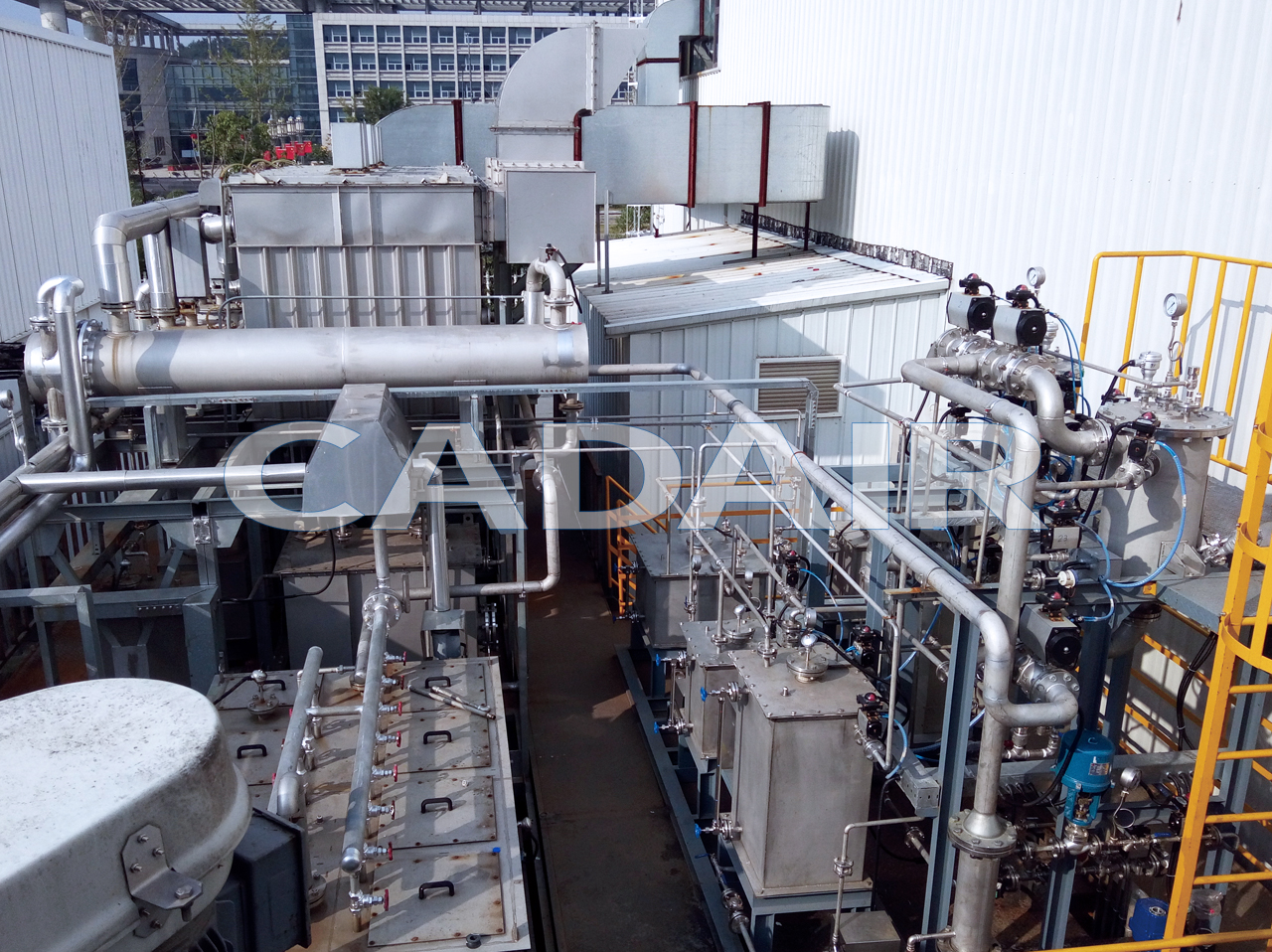
Thermal recuperative oxidizers enable pioneering air refinement. These units use heating and oxidation techniques of corrupted fumes at soaring thermal conditions, deeply eliminating toxicants into safe emissions. The process is energy-saving due to its regenerable heat reuse. These systems excel in extracting volatile chemicals, dust, and gaseous poisons. Employed within manufacturing, therapeutic, and water cleansing enterprises.Advantages cover enhanced atmosphere, eco preservation, and financial savings. Besides, condensed form and simple care position them desirable.
Catalytic Treatment Apparatus: Emission Reduction Strategies
Production workflows expel damaging gaseous substances. Catalytic conversion devices limit environmental damage. Catalytic substances promote change from hazardous to clean forms. They accelerate reaction kinetics and lower power needs.
Numerous catalytic agents suit specific needs, including expensive metals including tantalum and hafnium. Optimal catalyst picks crucial for increasing conversion. Unit planning boosts effective contaminant exposure to improve pollutant transformation.
Catalytic reaction systems lead over usual methods by precision. They filter selective molecules conserving overall mixtures. In addition, they conduct processes at soft heat minimizing outlay. Continued catalyst R&D advances emission control facilitating cleaner processes and healthier environments.
Maximizing Regenerative Catalytic Oxidizer Efficiency
Obtaining greatest efficiency needs detailed oversight. Opting for apt catalyst species is critical. Refining operational metrics such as temperature point and retention period advances results. Auditing and examination procedures maintain functionality. Ongoing servicing and assessments bolster durability of the system and engagement.
Zeolite Significance in Thermal Oxidizers
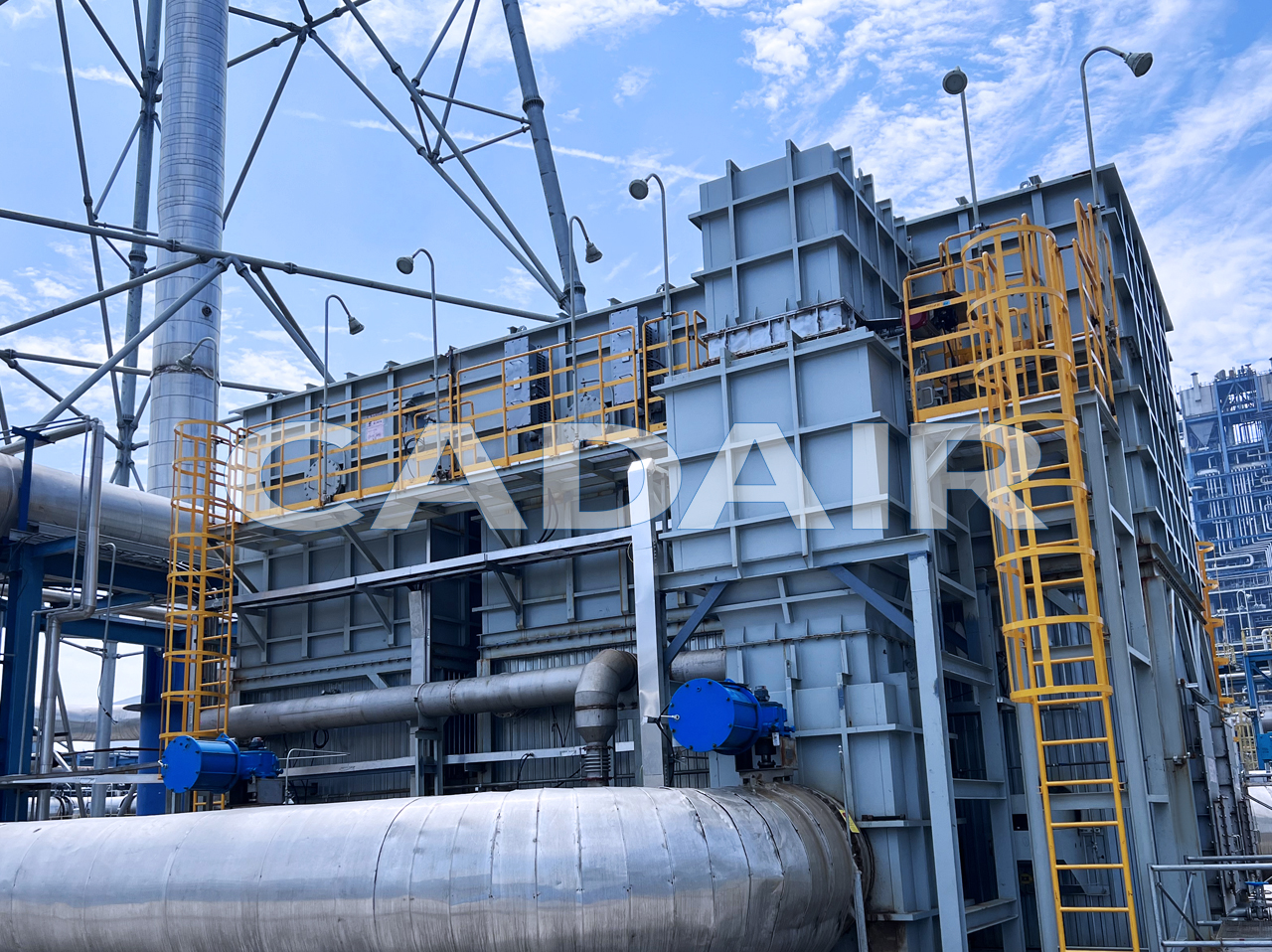
Regenerative oxidation devices operate principally managing VOC releases. Zeolite entities assist critically due to binding properties and catalytic influence. Targeted VOC adsorption augments combustion quality. Besides, zeolitic agents promote conversion diminishing energy demand and enhancing efficiency.
- For this reason, use of zeolites amplifies volatile organic capture, fuel conservation, and environmental safeguarding.
Evaluating Synthetic Zeolites Versus Traditional Catalysts
Modern catalytic progresses triggered parallel analyses of synthetic zeolites opposed to established catalytic agents. Such research probes catalyst capabilities, focusing range, thermal durability, and cost. Concluding with determination of zeolitic catalyst success in oxidizing VOCs efficiently. This benefits enhanced and responsible pollution abatement systems.
- Zeolites involving considerable porosity and surface extent provide formidable catalytic support.
- Established catalysts primarily metallic oxides encounter activity and selectivity challenges.
Moreover, research explores heat levels, retention periods, and feed ratios influencing zeolite and conventional catalysts. This comprehensive approach aids optimization of RTO catalyst selection and operation to maximize VOC removal and minimize energy use.
Computational Analysis of RCO Systems
Advanced catalytic oxidation units represent complex apparatus for gaseous contaminant cleansing. They utilize catalytic chemistry to degrade damaging compounds releasing thermal energy as consequence. The complexity of these RCO systems demands reliable computational tools for design and optimization. Simulative approaches aid in estimating key performance figures amid differing workload scenarios. In addition, simulation work exposes faults allowing refinement leading to better catalytic oxidizer setups.Thermal and Catalytic Oxidation: Making the Right Choice
Selecting best oxidative technologies asks for intricate scrutiny. Chemical oxidation via heat or catalysts feature individual strengths and weaknesses. Thermal oxidation mandates high temperature inducing chemistry. Catalysis-driven oxidation promotes reactions at moderate thermal settings. Pick differs based on efficacy, cost-effectiveness, and chemical types.
- Temperature-dependent oxidation often delivers effective removal demanding substantial energy
- Catalyst-based methods operate at lower heat cutting costs and pollutants
Complete comprehension of requirements supports optimal technology decisions. Relying on knowledgeable advisers enriches decision-making aligning function with ecological impact.
Controlling Emissions via Zeolite Rotor Systems
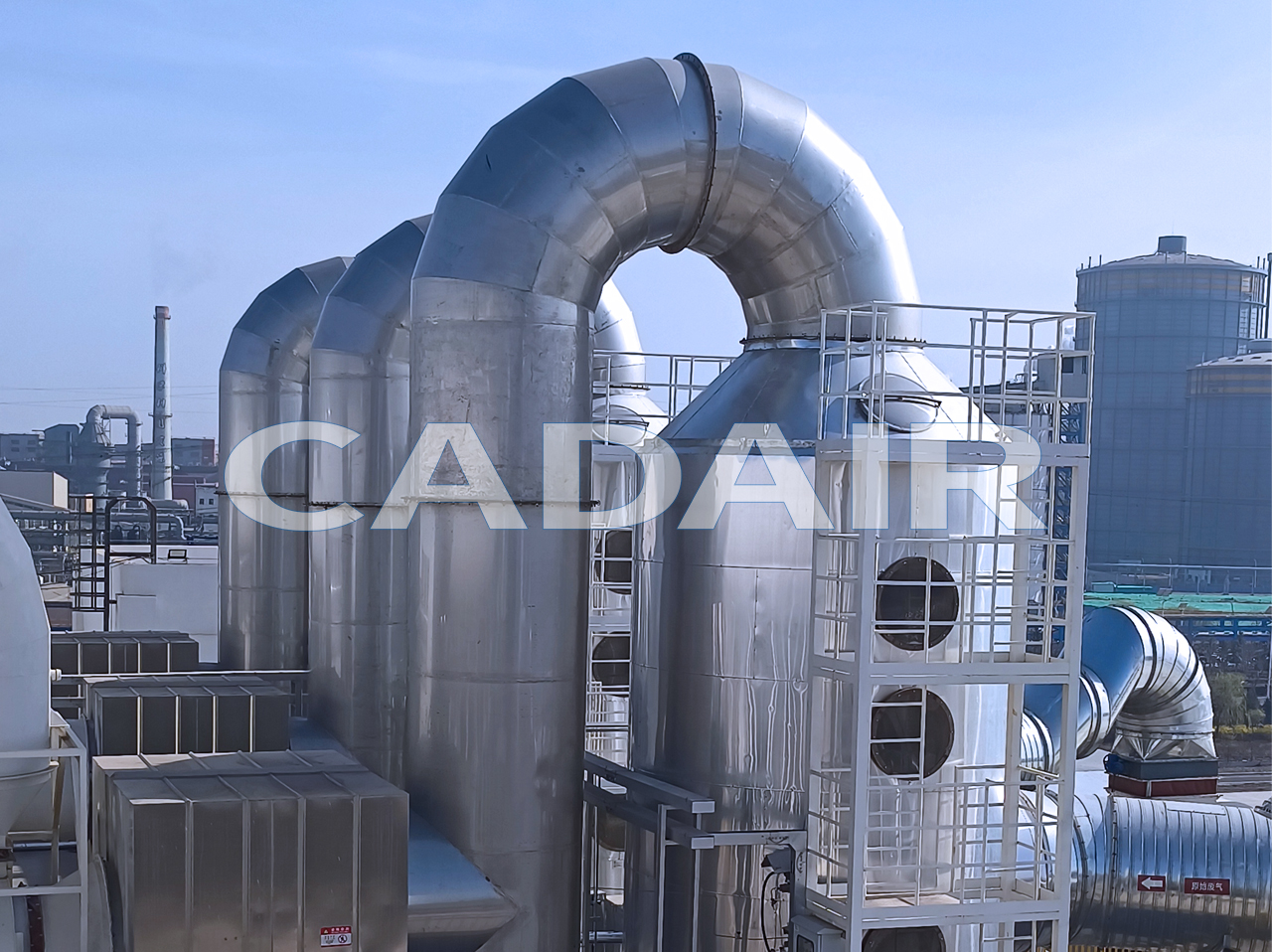
Zeolite rotor methodologies reveal promise for emission mitigation across commercial and motor vehicle fields. Built of crystalline porous frameworks, rotors absorb pollutants via contact-based, chemical, or electrostatic forces. Cyclic motions guarantee uninterrupted and optimal pollutant mitigation. Various zeolite formulations can be tailored for specific pollutants like carbon monoxide, nitrogen oxides, and VOCs, making this technology adjustable, supple, and comprehensive for diverse pollution problems.
- What's more, the approach grants considerable superiority compared to earlier emission techniques, including:
- Slashed energy requirements.
- Modular structure.
- Outstanding exhaust cleansing.
Steady investigation and engineering progress propel zeolite rotor approaches, enabling environmental innovation in various markets.
Affirmed Results from Regenerative Oxidizer Deployments
In the developing oxidation landscape, regenerative oxidizers validate their strong and dependable performance. Their skill for shifting exhaust byproducts into functional materials obtains widespread appreciation.
- An important instance involves regenerative oxidizer lowering major toxins in a production plant achieving significant exhaust abatement and demonstrating environmental benefit potential.
- Additional successful case involves regenerative oxidizers in combined heat and power generating setups enabling optimized and non-polluting transformation of biomass into usable energy offering nature-friendly replacement of fossil energy.
These cases highlight regenerative oxidizers’ versatility and efficiency across industries. As R&D continues improving, expect more transformative applications for this promising technology in upcoming years.
The Future of Air Pollution Control: Zeolites and Regenerative Systems
Amid growing global air pollution concerns, urgent, innovative approaches are needed. Pioneering tactics depend on zeolite-enhanced recyclable purification technologies. Appreciated for fine adsorption and configurable pore structures, zeolites sequester pollutants effectively. Associated with sustainable platforms, they permit everlasting pollutant trapping and reuse minimizing residue and enabling ecological conservation. This amalgamation yields strong approaches confronting various pollution challenges encompassing factory discharges, mobile emissions, and indoor air quality. Moreover, research keeps refining zeolite properties and regenerative processes, paving the way for increasingly sophisticated and adaptable purification systems.
- Cutting-Edge Zeolite Structures
- Green Technology Advancement
- Foreseen Benefits to Air Quality Improvement