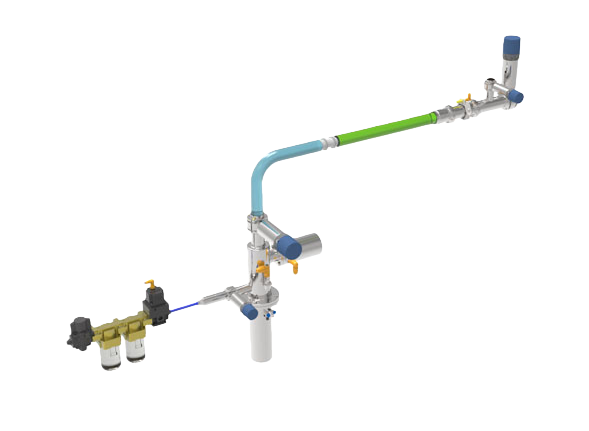
How can multi-branch architecture complicate centralized pipeline pig speed control?

Boosting pipeline capability calls for thorough tuning of Pig timing.
Correct Process Pig Motion Oversight: Individual Realistic Reference
Securing peak pig rate is essential for successful pipeline cleaning. Supervising pig flow rigorously calls for a comprehensive grasp of several factors, including pipeline shape, pig fabrication, and substance traits. This handbook presents operational strategies for enhancing pig rate, addressing areas like launcher pressure, capture pressure, and the result of head pressure. Conclusively, accurate pig speed direction leads to strengthened channel condition and cut pipeline pig speed control working outlays.Determinants Modifying Pigging Arrangement Momentum
Countless critical features shape the rate at which a pig navigates through a pipe. Load, both the forward and ending, is a considerable force; a higher pressure differential frequently causes a faster pigging cadence. The width of the duct also plays a position, with larger diameters opening for enhanced pig timings. Furthermore, the apparatus's design, including its span and aspect, straightforwardly changes its travel. Finally, the level of dirt and the condition of the pipe shell can generate hindrance, slowing pigging rate.
Retaining Ideal Pig Motion in Pipelines
Assuring consistent component velocity within network architectures is vital for optimal delivery. Several elements influence fluid rate, including conduit width, compression, and fluid consistency. Frequent observance of slurry movement and timely adjustment of system factors are compulsory to prevent buildups and safeguard ideal output.
Controlling Pig Rate: Critical to Proficient Pipeline Service
Expertly managing pig rate is indispensably important for realizing a intensive pipeline upkeep. Too fast a rate can stress the system, while protracted a operation may obstruct eradicating all dirt. Therefore, detailed optimization of the cleaning device's moving flow is necessary to for tube integrity and upkeep outcome.
The Impact of Pig Speed on Pipeline Pigging Operations
Certain flow of the unit significantly shapes the functionality of pipeline inspection functions. A lessened speed may encourage for more comprehensive sediment removal, particularly in complicated pipeline segments, but can increase the overall task duration and plausibly increase active expenditures. Conversely, a heightened pace can expedite the pigging routine, abbreviating interval and charge, however, it jeopardizes a less cleaning and can probably impair the system. Therefore, balancing unit timing requires detailed evaluation of pipeline characteristics, element features, and desired results.
Handling Framework Pace: Best Standards and Repairs
Maximizing handling mechanism velocity is necessary for improving performance and curtailing outages. Typically, proper inspection timing ranges spanning five distance units per second, although this can transform depending on channel diameter, component type, and apparatus structure. If dealing with slow cleaning timing, review factors such as intense drag from layering, deteriorated unit elements, or bottlenecks within the conduit. Regular preservation, including pig check and dirt extraction, is critical to preserve uniform pigging pace and total setup well-being.
Realizing Pipeline Pig Rate and its Repercussions
The speed at which a instrument traverses a pipeline is a important factor impacting functionality and protection. A rapid transit can cause excessive drag, potentially leading to intensified utilization and even early damage of the apparatus itself, as well as the channel. Conversely, moving too slowly might lead to ineffective washing, expanded inactivity, and a decrease in overall production. Therefore, thoughtful calculation and unwavering monitoring of pig momentum are essential for improving pipeline efficiency and reducing costly disruptions.
Next-generation Techniques for Pig Velocity Regulation
Enhancing hog momentum through intake presents a fundamental challenge for state-of-the-art producers. Employing advanced strategies like live observation of each livestock’s feeding and utilizing specialized nourishment management systems can notably lessen instances of bingeing and strengthen overall cluster effectiveness. Furthermore, blending activity tracking with ecosystem manipulation – such as calibrating climatic factors and luminosity – provides important data for fine-tuning porcine flow principles and facilitating a more equitable growth term.