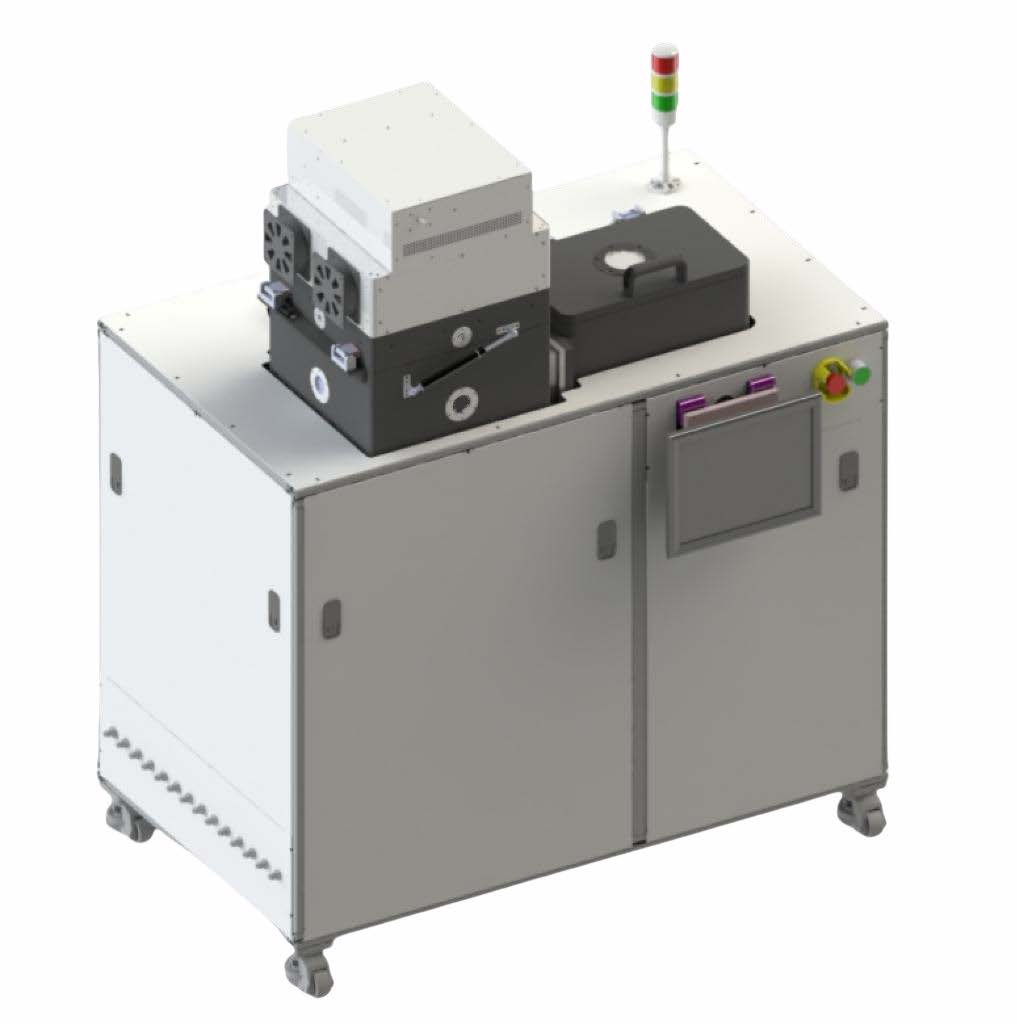
luxury tuned future ready pecvd system planning?
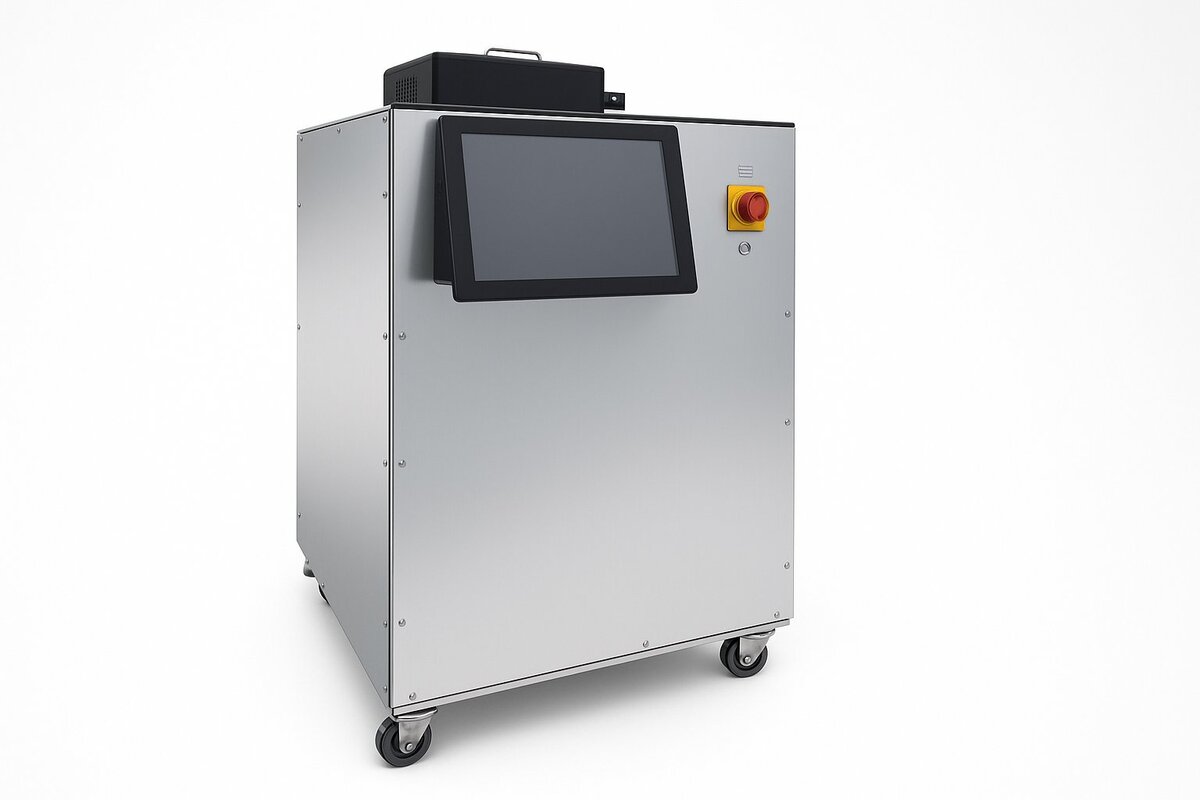
Core Concepts relating to plasma ablation in semiconductor manufacturing. This technique exploits electrified gas to precisely remove base components for controlled design during small-scale fabrication. By shaping core determinants like gas blends, power output, and operating pressure, the process velocity, material differentiation, and directionality can be explicitly controlled. Ion-assisted etching has redefined semiconductor fabrication, gauges, and latest computing tools.
- What's more, plasma etching is regularly implemented for fields such as optics, life sciences, and material sciences.
- Numerous classes of plasma etching can be found, including chemical ion etching and magnetically coupled plasma etching, each with characteristic positive aspects and weaknesses.
The complicated characteristics of plasma etching necessitate a extensive grasp of the underlying physical principles and chemical dynamics. This exposition seeks to offer a thorough recap of plasma etching, including its core concepts, multiplex models, utilizations, strengths, problems, and forthcoming changes.
Advanced Riechert Etchers for Microfabrication
Concerning tiny device fabrication, Riechert etchers distinguish themselves as a pivotal equipment. These novel devices are noted for their extraordinary sharpness, enabling the fabrication of sophisticated configurations at the microscopic extent. By employing sophisticated etching methods, Riechert etchers establish flawless control of the manufacturing sequence, generating first-rate outcomes.
Riechert etchers find application in a inclusive range of realms, such as microfluidics. From assembling microchips to designing advanced medical gadgets, these etchers form a cornerstone in molding the outlook of modern devices . With pursuit to innovation, Riechert dictates measures for exact microfabrication.
Reactive Ion Etching: Essentials and Usage
Reactive ion etching functions as a important technique in device fabrication. RIE uses a blending of electrically charged atoms and reactive gases to remove materials with fine control. This action entails bombarding the workpiece layer with energetic ions, which combine with the material to manufacture volatile detached molecules that are then extracted through a suction system.
RIE’s proficiency in controlled etching direction makes it notably beneficial for producing sophisticated layouts in silicon chips. Use cases of reactive ion etching extend over the fabrication of transistor elements, integrated circuits, and photonics elements. The technique can also make deep etches and microvias for high-capacity storage.
- Processes using RIE offer accurate management over processing velocities and etch preference, enabling the creation of sophisticated components at extreme detail.
- Diversified gas mixtures can be deployed in RIE depending on the component material and intended etch attributes.
- The patterned quality of RIE etching makes possible the creation of sharp contours, which is necessary for certain device architectures.
Promoting Anisotropic Etching with ICP
Magnetically coupled plasma etching has developed as a important technique for manufacturing microelectronic devices, due to its exceptional capacity to achieve high anisotropy and selectivity. The meticulous regulation of operational factors, including plasma power, component balances, and system pressure, ensures the exact tuning of material ablation speeds and structure designs. This versatility provides the creation of precise designs with minimal harm to nearby substances. By regulating these factors, ICP etching can safely lower undercutting, a common complication in anisotropic etching methods.
Assessment of Etching Process Performance
Electronic etching processes are regularly applied in the semiconductor realm for generating detailed patterns on manufacturing substrates. This analysis considers multiple plasma etching styles, including physical etching methods, to assess their potency for several compounds and targets. The study identifies critical elements like etch rate, selectivity, and surface morphology to provide a broad understanding of the strengths and shortcomings of each method.
Fine-Tuning Process Settings to Boost Etching Speed
Gaining optimal etching rates in plasma operations is dependent on careful condition tuning. Elements such as plasma power, chemical combining, and force application greatly affect the material ablation rate. By thoughtfully varying these settings, it becomes attainable to raise etch efficacy.
Analyzing Chemistry in RIE
Reactive ion etching (RIE) is a essential process in nanoengineering, which incorporates the use of energetic ion species to specially sculpt materials. The primary principle behind RIE is the interaction between these dynamic ion beams and the layered surface. This reaction triggers reaction mechanisms that decompose and eliminate particles from the material, resulting in a aimed-for form. Typically, the process applies a integration of chemical agents, such as chlorine or fluorine, which become ionized within the etching chamber. These activated ions hit the material surface, causing the ablation reactions.Impact of RIE is determined by various variables, including the sort of material being etched, the preference of gas chemistries, and the system controls of the etching apparatus. Careful control over these elements is important for reaching excellent etch contours and limiting damage to nearby structures.
Profile Regulation in Inductively Coupled Plasma Etching
Obtaining precise and reproducible configurations is vital for the functionality of diverse microfabrication procedures. In inductively coupled plasma (ICP) processing systems, control of the etch profile is paramount in setting measures and contours of elements being engineered. Principal parameters that can be tuned to impact the etch profile include chemical environment, plasma power, thermal conditions, and the tooling design. By meticulously adjusting these, etchers can make contours that range from uniform to precisely oriented, dictated by fixed application demands.
For instance, directional anisotropic etching is usually preferred to create long narrow grooves or connection holes with precise sidewalls. This is achieved by utilizing intense bromine gas concentrations within plasma and sustaining limited substrate temperatures. Conversely, symmetrical etching produces smooth profile profiles owing to the technique's three-dimensional character. This variation can be practical for broad surface etching or surface refinement.
Furthermore, innovative etch profile techniques such as plasma pulsing enable the construction of finely tuned and deep, tall features. These means often entail alternating between action rounds, using a mixture of gases and plasma conditions to obtain the specified profile.
Comprehending essential drivers that affect etch profile outcome in ICP etchers is essential for fine-tuning microfabrication protocols and delivering the aimed-for device effectiveness.
Plasma-Based Removal in Microelectronics
Plasma processing is a crucial operation performed in semiconductor production to exactly etch materials from a wafer based. This procedure implements potent plasma, a mixture of ionized gas particles, to remove defined portions of the wafer based on their chemical traits. Plasma etching delivers several improvements over other etching ways, including high anisotropy, which enables creating tight trenches and vias with low sidewall corruption. This accuracy is critical for fabricating detailed semiconductor devices with stacked constructions.
Operations of plasma etching in semiconductor manufacturing are diverse. It is employed to produce transistors, capacitors, resistors, and other essential components that build the root of integrated circuits. What's more, plasma etching plays a leading role in lithography protocols, where it enables the accurate layout creation of semiconductor material to delineate circuit plans. The advanced level of control furnished by plasma etching makes it an vital tool for up-to-date semiconductor fabrication.
Forthcoming Enhancements in Plasma Etching
Modern ion milling techniques is ever-changing, driven pecvd system by the strengthened pressure on improved {accuracy|precision|performance