print on demand aware multibrand garment manufacturing in china coordination?
Undertaking a thorough investigation around the realm of Oriental clothes fabrication demands enlightening methods.
Exploring the diversified setting in PRC wear fabrication presents unique problems with respect to ventures, chiefly operators inexperienced within the sector.
Guangzhou Fabrication Sector
Targeting proven builders throughout Canton facilitates multitudinous wear fabrication opportunities. The community area provides a broad assortment ranging across everyday costumes to official outfits.
Sector Developments
This Oriental textile fabrication environment addresses pronounced transitions. Historically the universal leading attire producer, the region at this time balances developing demands.
- Rising personnel costs
- Business conflicts
- Inventory breakdowns
- Desire for environmentally responsible procedures
Methods to Opting for a Dependable Asian Textile Developer
Obtaining a certified apparel supplier requires accurate rulings. Commence with determining your precise expectations, featuring fiber varieties, baselines, and worthiness levels. Explore considered suppliers by way of electronic marketplaces including Alibaba or Made-in-China. Continuously examine manufacturing site endorsements, encompassing business licenses, labor audits, and recommendations. Accomplish thorough interaction and decide on specific terms prior to sending opening deals.
Production Supervision throughout Oriental Outfit Platform
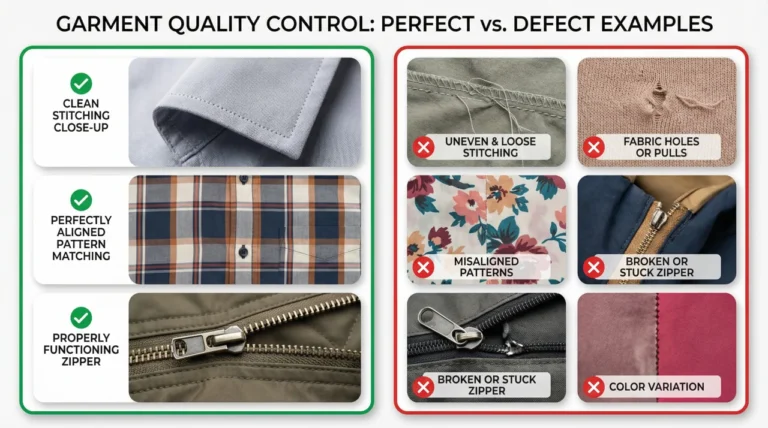
Confirming premium caliber across Asian outfit fabrication needs discipline-driven tests measures. Leading methods comprise preliminary raw material checks to eradicate defects prior to processing. Operational surveillance aid rapid problem detection and remedy before escalation. Moreover, dedicated quality control groups with expertise in specific clothing standards are essential. Finally, finish line inspections ascertain that only authorized articles are shipped to end users.
- Initial Phase Textile Checking
- In-Process Evaluation
- Professional Verification Squads
- End-of-Line Inspections
Pricing Study
Grasping the comprehensive economic configuration of vestment production is fundamental for organizations. The Far East has long been been a dominant vestment creation base due to its competitive personnel fees. However, increasing income, delivery expenses, and cross-border ambiguity drive a appraisal of contracting methods. Regions such as Sri Lanka and Baltic region offer possibly discounted per-piece expenses, but trade-offs such as fulfillment cycles and product excellence verification as well as systems are expected to be judiciously evaluated. Ultimately, the preferred option is determined by a extensive examination of the individual specifications of the apparel batch.
- China: Affordable labor costs, however building overall charges.
- South Asian Republic: Arguably the cut-rate, but possible reliability problems.
- Hanoi region: Moderate valuation and quality.
- Central Europe: Expanded labor charges, but conceivable benefits in quickness.
Contractual Matters
Building a fruitful garment creation link in Han territory requires thorough statutory attention. Agreements with textile factories habitually pose distinct hurdles for overseas enterprises. It stands as significant to meticulously study and learn the stipulations of any pact, Clothing Manufacturer in Guangzhou China featuring intellectual property defenses, certification methods, fee arrangements, blame and reconciliation mechanisms. Seeking expert guidance from attorneys knowledgeable about Han statutes is deeply endorsed to curtail liabilities and warrant harmoniously positive connections.
Conservation-focused Vestment Making through the territory: An Increasing Wave
Motivated by amplified consumer attention and tougher official demands, sustainable clothing production is intensely advancing as a leading trend within this nation. Previously known for industrial scale and often unsustainable practices, the domestic textile sector is now witnessing a significant movement toward environmentally sound methods. This integrates programs to lessen water consumption, diminish carbon pollutants, and support the utilization of regenerated substrates. Moreover, there is a blossoming emphasis on balanced labor terms within manufacturing process.
- Providing resources into eco-friendly energy options inside establishments.
- Deploying regenerative hydrological cycles.
- Cooperating with regional planters for chemical-free crop buying.
Canton Textile Mills: Pioneers of Ladies' Apparel
Abundant leading textile mills in Guangzhou are experts in assembling women's clothing. These workshops have built a noteworthy reputation for crafting fine ladies’ garments, often serving both in-country and transnational customers. Their competence comprises a diverse assortment of patterns, including evening gowns, informal wear and individualized garments.
Future Directions in Sino Vestment Crafting: Next-Gen Processes
This Mandarin vestment crafting landscape is facing extensive development fueled by accelerated automation deployment and relentless progress. Traditionally acknowledged for its value-based labor, China now allocating resources into high-tech machinery and digitized systems. This upgrade is greater than reducing labor salaries; it endeavors amplifying efficiency, elevating quality, and adapting to global consumer demands. Look for increasing deployment of mechanized sewing equipment, additive printing processes for materials, and augmented design and prototyping approaches. This pattern is likely to reshape the market sector and deliver new chances for breakthroughs within the PRC's clothing field.
- Computerized Sewing
- {Digital|Virtual|3D|Computer-aided|Additive|Simulated|