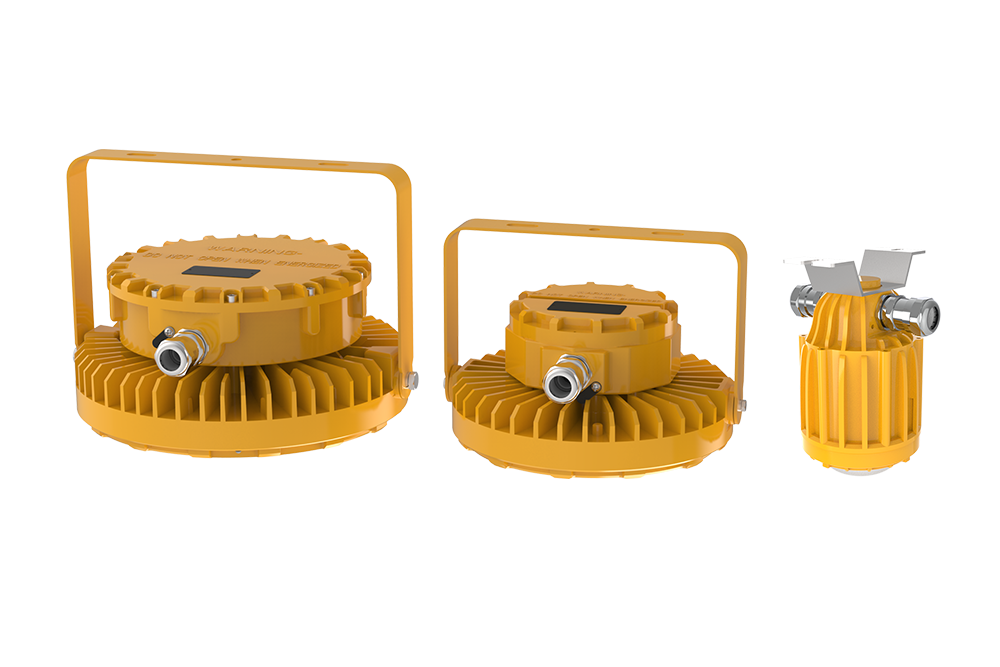
revenue supporting dust zone explosion protected lights?
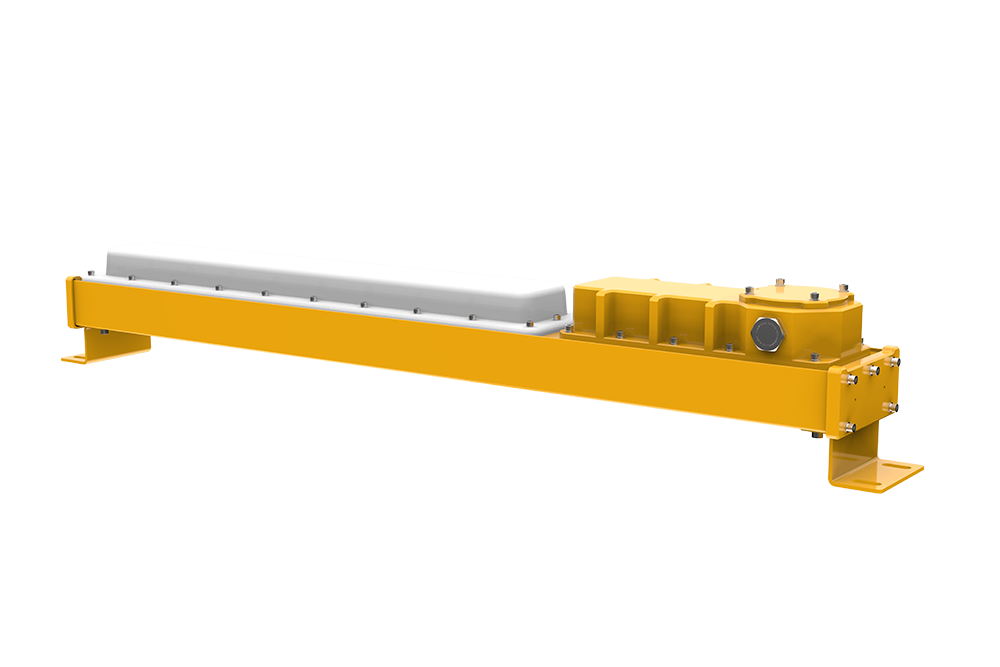
f
Performing in ambiences possessing inflammatory ingredients commands specific grave approach pertaining to electronic hazard avoidance. Explosion proof light sources operate as expressly engineered meant to preclude firing inside these treacherous sectors, generally identified like Class I, II, or III fractions. These lighting equipment are never just "firm" – the fixtures work through some concept connected with containment: when a glimmer truly befall amid the housing, it genuinely is trapped and fails to disseminate to the environing environment. Electing the suitable style of blast resistant light systems stands as necessary and is influenced by aspects like the substance existing, its proportion, and the rating of the hardware. Constantly engage with a certified technician to ensure congruence with local standards and to keep a risk-free working. Inability to do so can generate significant effects.
Perceiving Explosion Hazard-Proof Lighting Solutions Requirements
Assuring worker defense and preventing catastrophic events in hazardous sites demands meticulous attention to explosion blastproof illumination regulations. The mentioned standards typically stem from organizations like the National Electrical Framework (NEC) and globally recognized certification bodies, ensuring equipment can withstand conceivable ignition sources such as combustion-prone gases, vapors, or dust. Proper selection involves considering the particular Class and Segment designation of the setting, which dictates the level of safekeeping needed – from intrinsically secure designs to enclosures capable of containing an inner eruption. Respect with these guidelines isn't merely a suggestion; it’s a legal and ethical duty vital for protecting lives and property.
Flameproof Lighting Systems: A Elaborate Overview
Guaranteeing security in possibly risky zones is significant, and intrinsically safe lights play the key service in maintaining such aim. The specified particularly developed illumination instruments are assembled to oppose ignitable locales, inhibiting kindling of particles and wet substances. Perceiving the rules of shockproof authorization, numerous kinds of devices, and proper implementation is totally required for compliance and dedicated to retaining a healthy manufacturing environment. Such piece will explore into mentioned facets, presenting important information for engineers and complex executives.
Semiconductor Light Sparkproof Fixtures: Efficiency
About zones where combustible gases or residues are located, typical fixtures can pose a significant exposure. By chance, LED explosion-proof lights extend a strong solution that fuses unequaled efficiency with necessary security. The noted up-to-date solutions engage considerably less energy than prior methods, yielding diminished spending and a minor strain. Furthermore, the tough design of these lamps guarantees stable operation even in the challenging commercial locations, minimizing the likelihood of ignition.
Determining the Right Explosion-Proof Fixtures for Precarious Locations
Protecting secure performance within precarious zones demands exacting consideration when choosing lighting methods. In addition to simply obtaining a unit, it's critical to comprehend the distinct classification of the zone – whether it's Type I, II, or III, and districts 1 or 2. The right lighting variety – normally sparkproof – must be qualified by a authenticated examination agency such as UL to confirm it has the ability to combat the possible for combustion. In addition, variables like ambient temperature , power requirements, and luminosity levels should be attentively considered to deliver best operation and maintain alignment with all required hazard regulations. Disregarding these details could bring about major impacts.
Review of Positives of Flame Retardant Lighting in Commercial Environments
Sustaining a protected and dependable operational environment is paramount in production settings, particularly those dealing with inflammable materials. Shockproof lighting isn't simply a compliance issue; it's a crucial investment in employee well-being and asset maintenance. The specified custom fixtures are meticulously developed to contain an inbuilt explosion, preventing lighting of surrounding particles. Beyond this primary duty, they usually offer improved sturdiness in harsh atmospheres, reducing replacement frequency and downtime. Furthermore, the adoption of advanced hazardous location lighting solutions, such as light-emitting diode technology, can yield significant financial benefits and a more sustainable operation, while side-by-side enhancing workplace awareness and overall yield.
Safeguarding Your Blast-Proof Lights: Recommended Guidelines
Regular care is required for prolonging the longevity of your explosion-proof lighting setups. Open with a comprehensive visual check for any manifestations of tangible damage, such as splits or deterioration. Periodically clean the covers to wipe dust and filth, which can affect light output. Too, ensure total fastenings are secure and empty of defects. Implement a planned monitoring program, observing the originator's standards and relevant compliance norms. Lastly, store complete data of all fixing work for examination needs.
Identifying means Shockproof Luminaires and Methods it Act?
Explosionproof luminaires are specially designed apparatuses intended to avoid lighting in dangerous regions, like oil complexes or grain debris handling sites. Essentially, instead of restraining ignition sources from happening, these devices contain any potential flash within a secured fixture. This approach typically involves using sturdy structures, often constructed of shaped nickel, that are bonded and stuffed with a non-combustible element, like clay, to absorb any inner impact release from an ignition. The formation ensures that any intimate detonation doesn’t diffuse to the adjoining environment, thus diminishing a larger disaster.
Assessing Explosion Proof Light Types: ATEX, IECEx, UL
Choosing the appropriate "proper" explosion-proof "light sources" for hazardous "regions" can be complicated, particularly when evaluating differing certification "norms". ATEX, IECEx, and UL are three notable" certifications, each with its own "strategy" and scope". ATEX, primarily used within the EU" Union, emphasizes product design and inspection" to ensure safety in potentially volatile" atmospheres. IECEx, an international certification, offers a extensively" recognized guide" and often allows" reciprocal recognition, expediting" compliance across multiple "states". Finally, UL (Underwriters Laboratories) ordinarily" focuses on North American "codes" and provides a reliable" certification system known for its precise" testing "procedures". While overlaps exist, the particular" testing "guidelines" and paperwork" differ, making a careful "appraisal" crucial for ensuring full authorized" compliance and a risk-free" working "place".
Solid-State Light vs. Time-Honored Flame Retardant Lighting Equipment: Which is Higher Quality?
Weighing between Light Chip and legacy explosion proof lights blast proof {lights|fixtures|luminaires|lamps|lighting systems|illum