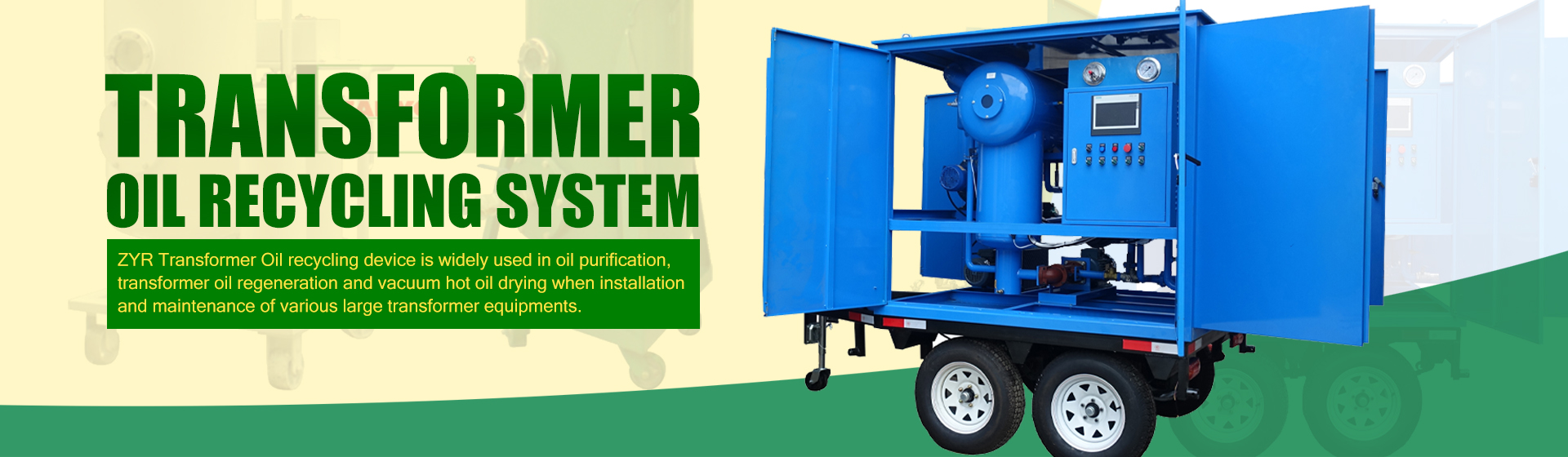
time saving advanced oil purification services?
Starting
These dielectric preservation for power units remains indispensable regarding specific capability. In due course, power unit fluid accumulates adulterants consisting of degradation materials, debris, and condensation. Such elements can weaken the oil's electrical resistance and cooling attributes, ultimately impairing unit dependability and usable life. To overcome this complication, cutting-edge removal methods are regularly being implemented.
Those approaches often combine a mixture of natural processes, comprising removal, attachment, and deterioration. High-performance purification systems can competently filter out large fragments from the oil, while retentive substances are employed to seize dissolved impurities.
- Notably, oxidation techniques can be used to break down persistent impurities, thereby upgrading the oil's parameters.
The improvements in voltage oil purification protocols support to strengthened system output, soundness, and useful life, finally minimizing downtime and associated costs.
Elevating Lubricant Condition with Refined Purification Devices
In the demanding world of business functions, maintaining optimal oil quality is paramount for enhancing appliance life and global operation. Precision filtration systems perform a key duty in this task by effectively removing contaminants that can degrade oil integrity over time. This sophisticated cleansing technology employ a mixture of mechanical filtration media and precise engineering to collect a multitude of unwanted matter from the oil stream. The product is enhanced more dependable oil that can optimally lubricate equipment parts, reducing contact , stress, and splitting. By adopting precision filtration systems, sectors can distinctly raise the life of their equipment, diminish maintenance costs, and acquire improved operational efficiency.
High-Performance Fluid Cleaners: Confirming Productive Output
Amidst the evolving manufacturing scene, functional effectiveness is fundamental. Enhancing equipment output and life expectancy rests on several components, with oil purity appearing as a key piece. Plant separation systems are integral in maintaining oil purity by clearing away contaminants that can trigger untimely damage, defect, and financially draining pauses. The specialized machines incorporate progressive filtering to collect a comprehensive set of impurities, like elements, aqueous content, and chemicals. By continuously scrubbing the oil, industrial oil purifiers enhance durability, refine lubrication quality, and contribute to a protected and more efficient work environment. Frequently overhauling of these systems is vital to validate their effectiveness. This involves observing the filtration process, exchanging elements as needed, and respecting producer recommendations for optimal performance. By investing in best-in-class industrial oil purifiers and executing a robust maintenance schedule, organizations can realize notable efficiency gains. Ultimately, these systems build the framework for efficient actions, reduced downtime, and increased profitability.Enhancing Reliability Through Oil Cleaning
Hydrocarbon filtering is a vital element in the maintenance of any mechanism or apparatae. As time progresses, powertrain fluids becomes soiled with debris, which can hinder working and ultimately lead to collapse. Employing effective oil filtration protocols can significantly lengthen the life of your apparatus and affirm optimal operation. Consistently refilling your powertrain fluids and enabling a premium device are crucial steps. A effective oil filter can thoroughly capture particles, maintaining your engine working well.
Optimizing Transformer Oil for Longevity
Securing the effectiveness of your electrical apparatus is indispensable for a reliable and profitable power distribution. Eventually, transformer oil naturally deteriorates due to flame, oxidation, and mechanical stress. This diminishment can lead to increased operational fees, reduced efficiency, and potential damage to the hardware. Transformer oil regeneration offers a green and cost-saving solution to extend the functioning period of your transformers by reinstating their prototype properties and performance.
The practice involves cleansing the used oil through a series of refined systems, such as filtration, dehydration, and oxidation inhibition. This productively eliminates pollutants, reinstates dielectric strength, and refines thermal stability. By supplying regenerated oil into your transformers, you can significantly minimize maintenance requirements, augment general stability, and ultimately amplify the operating duration of your valuable assets.
Foundations of Oil Treatment in Industrial Use
Hydraulic treatment is an indispensable process in industrial applications. Technical oils are continuously exposed to contaminants such as grit, water, and deterioration materials. These impurities can rapidly diminish the capability of lubricants, leading to increased friction, wear, and operational collapse. Effective oil purification methods apply numerous methods to filter out debris. These methods can include filtration systems that physically trap impurities, chemical treatments that neutralize or disintegrate harmful agents, and thermal processing which extracts heat-sensitive matter. The selection of the most effective treatment depends on the chosen environment and the type of contaminants present. Regular oil purification not only increases life expectancy of lubricating oils but also lessens repair overheads. Moreover, it enhances safety standards by preventing equipment failures and avoiding ecological damage.
Managing Oil Pollution: Expert Tips
Handling lubricant contamination is essential for guaranteeing operational efficiency and environmental responsibility. This detailed manual delves into the complexities of oil contamination, emphasizing its causes, consequences, and effective abatement strategies. Dissected are varied best practices, evaluation techniques, and regulatory guidelines to help you avoid oil contamination risks.
- Master the potential sources of oil contamination in various settings.
- Detect the damaging influences of oil contamination on equipment, infrastructure, and the environment.
- Implement proven strategies to prevent and counteract oil spills and leaks.
- Be aware of industry regulations and best practices for oil contamination management.
Optimizing Hydraulic Liquids with Treatment
Preserving top hydraulic operation obliges meticulous attention to detail, particularly when it comes to the quality of the hydraulic fluid. Fluid contamination can lead to a cascade of detrimental effects, including reduced efficiency, increased wear and tear on components, and even catastrophic system failures. Applying a robust decontamination process is key for mitigating these risks and ensuring the longevity and reliability of hydraulic systems.
Through regular filtration and cleaning processes, it's possible to remove harmful particles, water, and other contaminants that can compromise fluid performance. By employing elite filters with appropriate micron ratings and utilizing specialized purification equipment, operators can effectively maintain the integrity of the hydraulic fluid and extend the operational lifespan of critical components. This proactive approach not only minimizes downtime and repair costs but also enhances the overall safety and efficiency of hydraulic systems.
Thorough Purification of Transformer Oil: An In-Depth Guide
Periodic support of transformer oil is crucial for the long-term performance and service life of your transformers. After a while, oil can become contaminated with adulterants, affecting its ability to competently cool and separate the transformer components. Deep cleaning transformer oil involves a multi-step process to flush out these contaminants, renewing the oil's properties to optimal levels.
- Begin by properly draining the existing oil from the transformer tank. This necessitates proper safety precautions and adherence to vendor's guidelines.
- Thereafter, the transformer tank must be thoroughly cleaned with a suitable solvent. This operation helps clear any persisting oil and contaminants from the tank's lining.
- When the tank is sterile, the purified oil can be added back into the transformer. The amount of oil added must correspond the designer's specifications.
- To finish, it is vital to survey the transformer's oil level and status regularly. This will authorize you to discover any potential problems early on, allowing for quick action.
Selecting the Right Oil Purifier for Your Needs
In relation to electing the most suitable oil purifier for your situation, it's indispensable to consider a diversity of factors. First, figure out the magnitude of your oil system and choose a purifier that can successfully handle it. Next, think about the type of oil you're administering. Different purifiers are structured to strip specific impurities. Finally, include your budget and scrutinize different brands and models that align with your needs.
- In addition, consider to qualities like filtering performance, sound emissions, and upkeep simplicity.
Effective Outcomes of Transformer Oil Maintenance
Systematic cleansing of transformer oil offers a multitude of concrete benefits that boost the effectiveness of electrical equipment. Firstly, purified oil reduces damage to necessary components, extending their endurance. This minimizes expenses. Furthermore, cleaner oil increases heat transfer capabilities, leading to more efficient cooling and preventing temperature fluctuations.
By extracting impurities, transformer oil purification guarantees smooth operation and reduces the risk transformer oil dehydration systems of electrical failures. This ultimately {contributes to|leads to